A Bibliomancer reading sequence
The Victorian novel
The Victorian novel was the dominant art form of its century in England, and it was made under conditions no novelist works under now: publication in monthly or weekly parts, a fixed number of pages to fill, an audience that wrote in while the book was still being written, and a circulating library with the power to sink a novel by declining to stock it. What came out of that pressure is a body of long, crowded, argumentative books about money, class, work, marriage, and who is permitted to want anything.
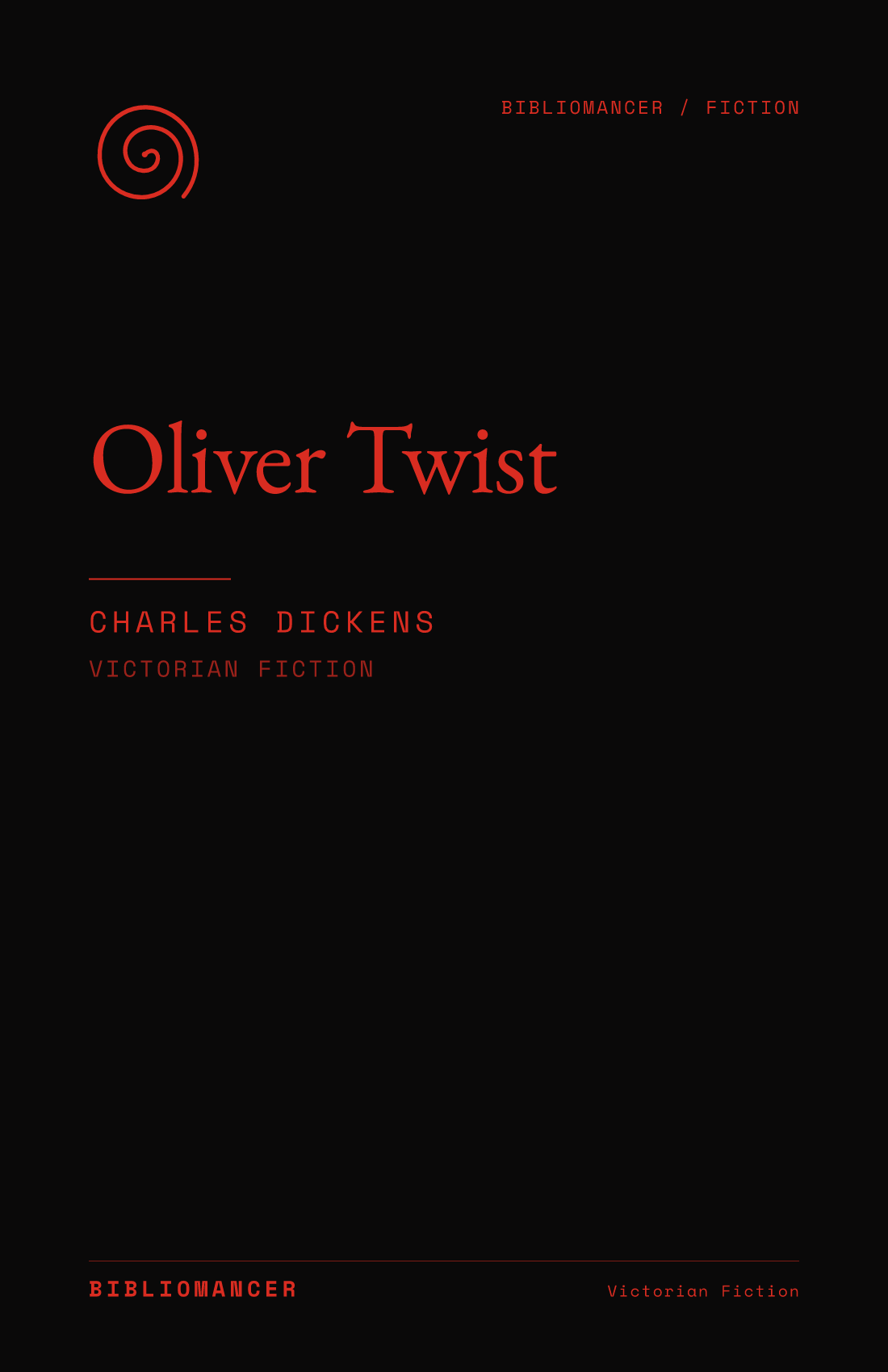
This page keeps to the Victorian novelists proper rather than to everything published between 1837 and 1901. Dickens is here four times, from Oliver Twist through A Christmas Carol and A Tale of Two Cities to Great Expectations, the late novel in which he finally stopped forgiving his own hero. Charlotte Brontë’s Jane Eyre and Emily Brontë’s Wuthering Heights appeared within months of each other in 1847, under men’s names, written by sisters in a Yorkshire parsonage. George Eliot’s Middlemarch is the book most often named the greatest novel in English, and Silas Marner is the short way into her; both were published under a man’s name too. Thomas Hardy carries the century out of the city and into open country: Far from the Madding Crowd made his name, and Tess of the D’Urbervilles raised the storm that helped drive him from fiction into poetry.
The Gothic and adventure sides of the period have pages of their own, which is where Stevenson, Wilde and Conan Doyle will be found. What is left here is the social novel at full length, in the form its first readers had it.
Each is the complete text, set anew by Bibliomancer — no abridgement, no modernised spelling, no added study notes — free to read online in the Reader without an account.
60 books · every one free to read online
Questions
- Why are Thackeray, Trollope and Gaskell missing?
- Because Bibliomancer has not published them yet. This page is generated from the library as it stands, and they will appear on it as their Bibliomancer editions are released.
- Where should I start with Dickens?
- Great Expectations if you want the best of him in one volume, A Tale of Two Cities if you want the plot, A Christmas Carol if you have an evening. Oliver Twist is the early Dickens, closest to the journalism he came from.
- Are these school editions?
- No. They are the complete novels as published, without cuts, glossaries or questions at the end of the chapter.