A Bibliomancer reading sequence
China's strange-tales tradition, in the original Chinese
Zhiguai (志怪), literally "records of anomalies," is one of the oldest continuous traditions in Chinese prose: short accounts of ghosts, omens, immortals and things that should not have happened, collected rather than invented, and added to in one form or another for over a millennium and a half. It survived dynastic change, changes of language, and centuries of scholarly disdain for fiction as a form, because collectors in every generation kept finding stories worth writing down.
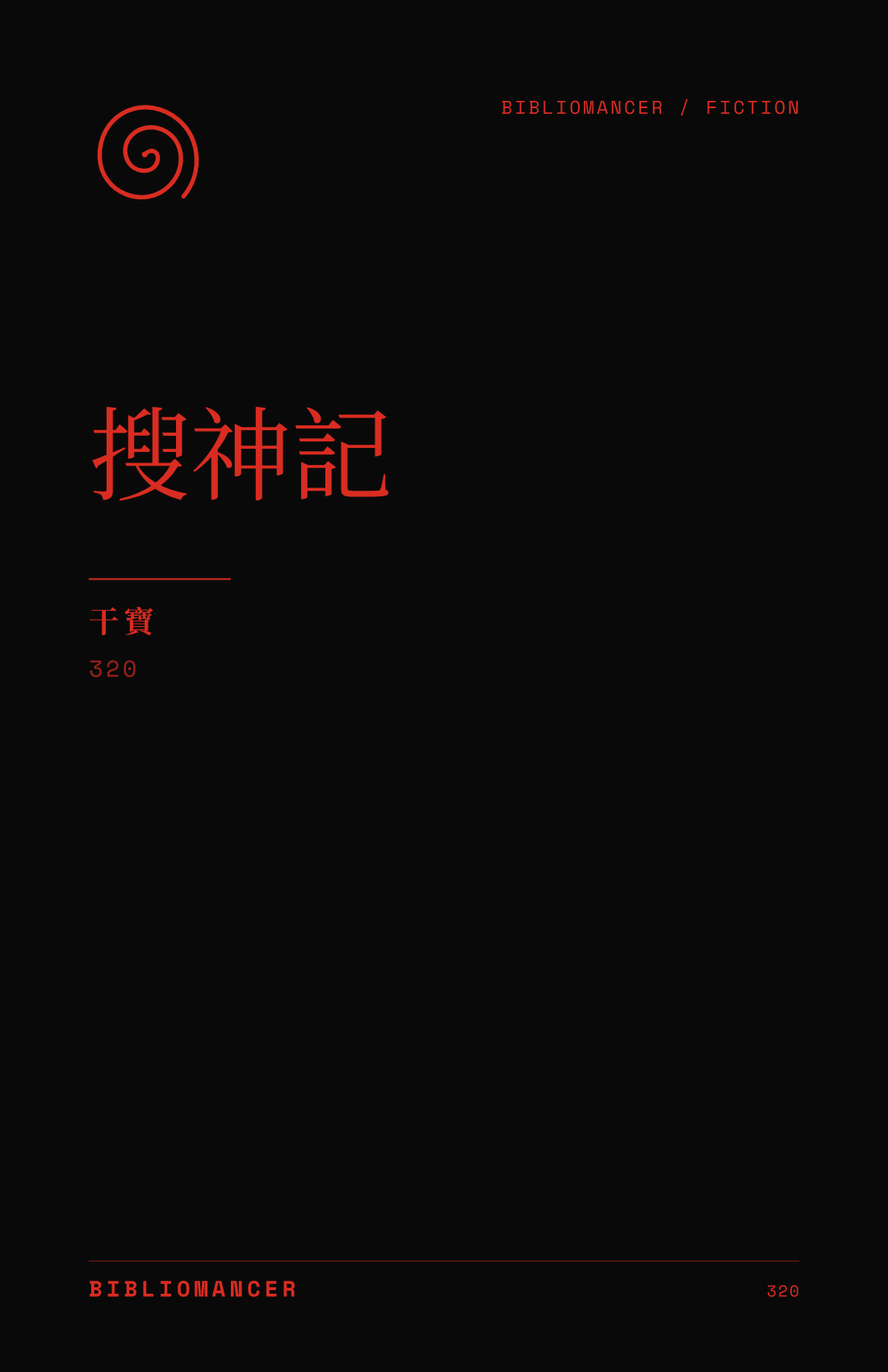
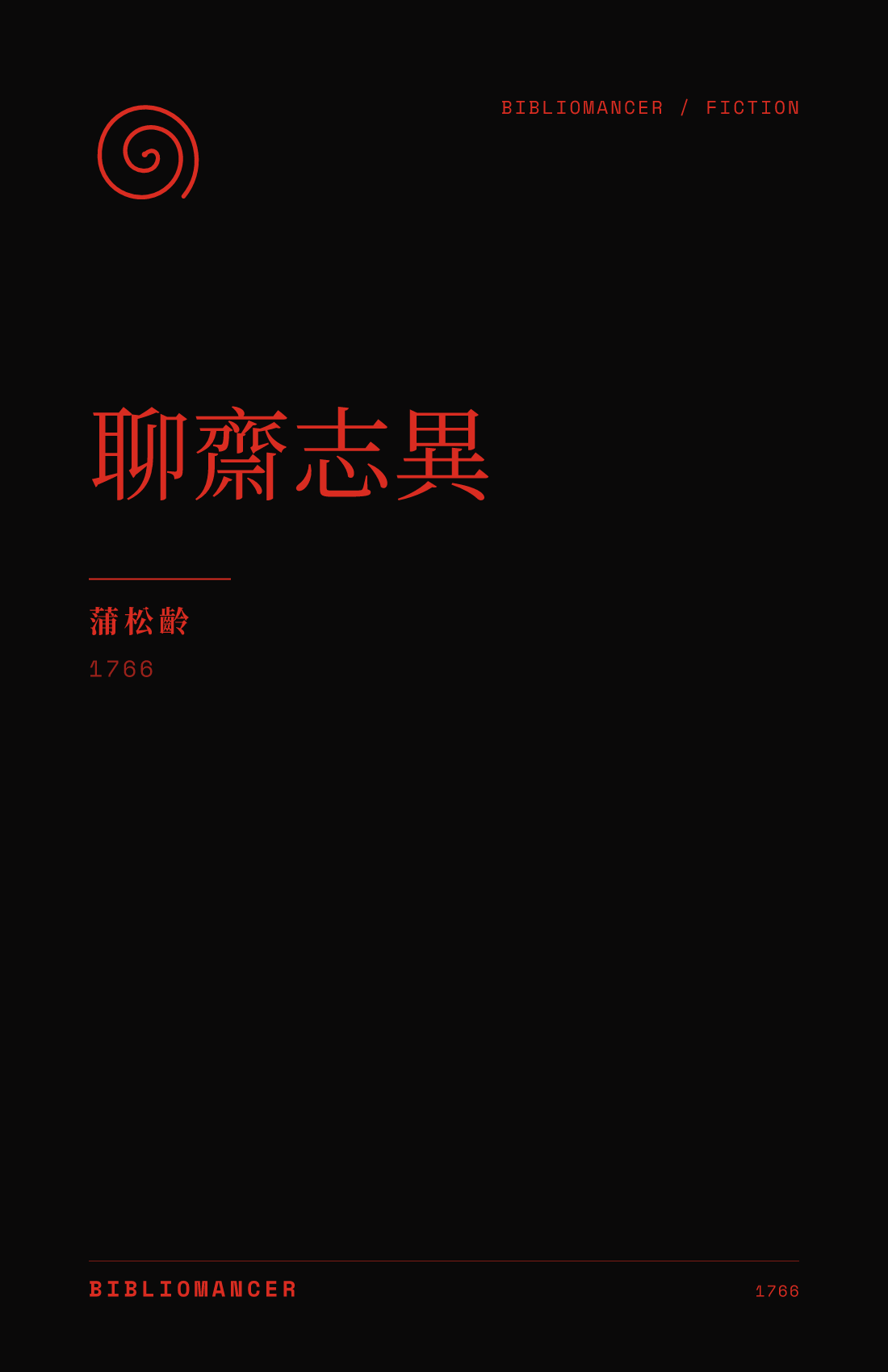
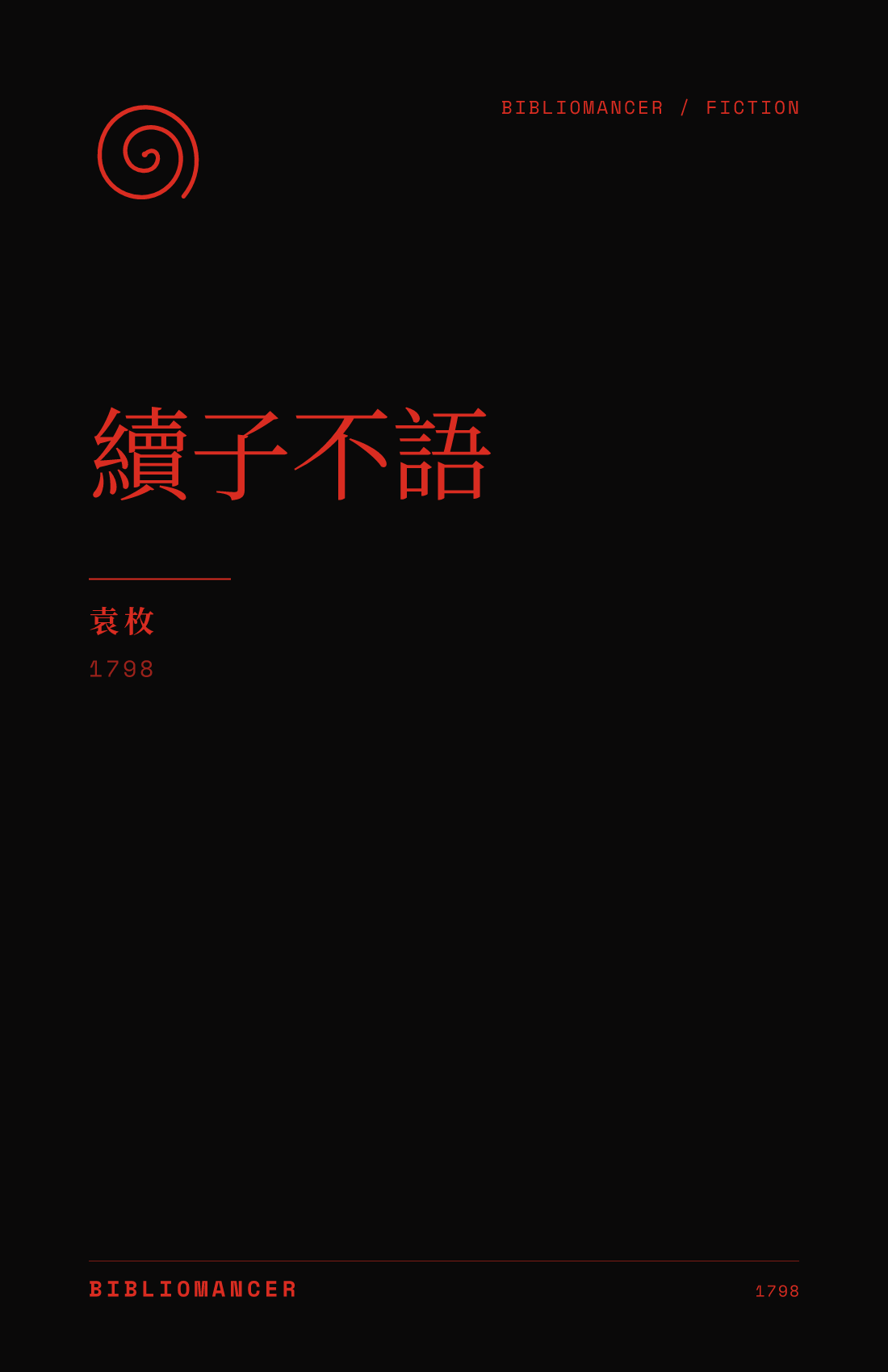
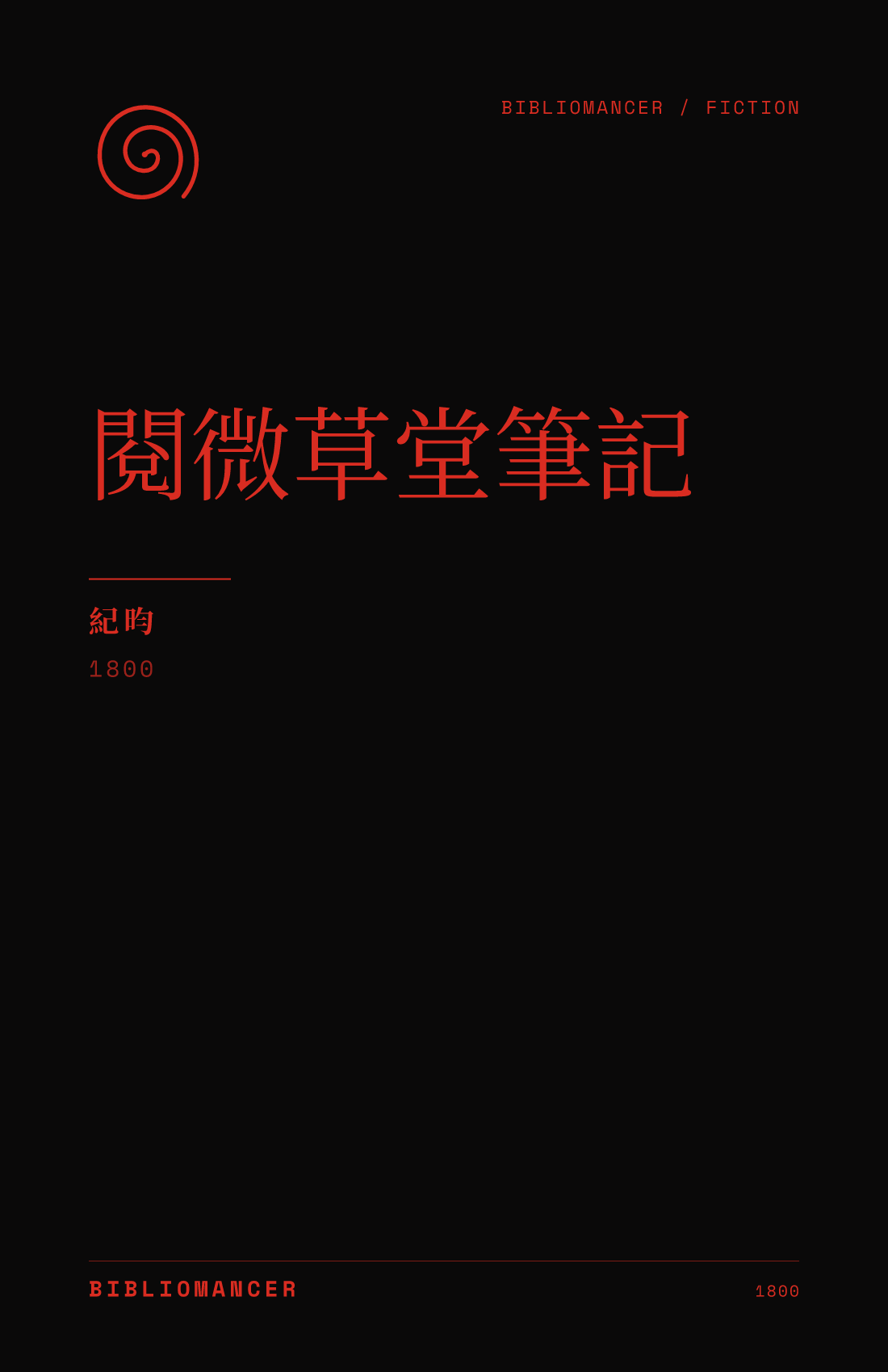
Gan Bao opened the tradition formally around 320 CE with In Search of the Supernatural (搜神記), assembled, he said, to prove that the spirit world was real. Fourteen centuries later Pu Songling's Strange Tales from a Chinese Studio (聊齋志異, 1766) took the same raw material — fox spirits, ghosts, scholars who fall in love with things that are not quite people — and gave it a literary polish that made it the most celebrated collection the genre ever produced. Ji Yun, a rival scholar-official, wrote his own Notes of the Thatched Abode of Close Observations (閱微草堂筆記, 1800) partly as an answer to Pu Songling's example, preferring plain reportage to invention. Yuan Mei, poet and gourmet, had already spent decades collecting his own anomalies; his Sequel (續子不語, 1798) continues a collection whose very title is a small joke — 子不語, "the Master did not discuss it," recalling the passage in the Analects where Confucius declines to talk about prodigies, feats of strength, disorder, or spirits.
These four are presented here in the original classical Chinese, not in English translation — Bibliomancer's Chinese-language editions, set from clean public-domain texts for readers who read Chinese, are learning to, or simply want the words Gan Bao, Pu Songling, Ji Yun and Yuan Mei actually wrote. Readers who want supernatural fiction in English will find a different, Western line of it on the Gothic Novels list.
4 books · every one free to read online
Questions
- Is this available in English?
- Not on Bibliomancer, not yet. These four are Chinese-language editions, set from the original texts. Readers looking for supernatural fiction in English can start with the Gothic Novels list instead.
- What does zhiguai mean?
- Literally "records of the strange" — the term Chinese literary history uses for exactly this kind of short, matter-of-fact account of ghosts, omens and anomalies, presented as reportage rather than invented fiction.